

 January 15, 2026 - BY Admin
Radiology Reporting Services: The Backbone of Modern Healthcare Diagnosis
In today’s fast-evolving healthcare ecosystem, speed, accuracy, and reliability are critical for effective patient care. Radiology reporting services play a central role in achieving these goals by transforming medical imaging data into clear, actionable diagnostic insights. From early disease detection to treatment planning and follow-up, radiology reports guide doctors at every stage of patient management.
With advancements in digital healthcare, radiology reporting has evolved from traditional manual processes to technology-driven, highly accurate, and time-efficient services. Hospitals, clinics, and diagnostic centers now rely on professional radiology reporting services to deliver better clinical outcomes while maintaining operational efficiency.
What Are Radiology Reporting Services?
Radiology reporting services involve the expert interpretation of medical imaging studies such as X-rays, CT scans, MRI scans, and ultrasounds. These images are carefully analyzed by qualified radiologists who prepare structured and detailed reports highlighting abnormalities, clinical findings, and diagnostic impressions.
These reports help referring physicians make informed medical decisions, confirm diagnoses, plan treatments, and monitor disease progression. Accurate radiology reporting ensures that no critical detail is missed, especially in complex or emergency cases.
Why Radiology Reporting Is Crucial in Modern Medicine
Radiology reporting is not just about reading images—it is about translating visual data into meaningful clinical information. Its importance lies in:
- Early and accurate disease detection
- Supporting faster and better treatment decisions
- Reducing diagnostic errors
- Improving patient outcomes
- Enhancing coordination between healthcare professionals
As patient volumes increase and diagnostic imaging becomes more complex, professional radiology reporting services have become an essential component of quality healthcare delivery.
Types of Radiology Reporting Services
1. X-Ray Reporting Services
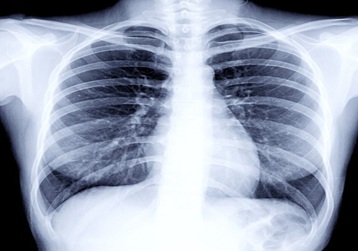
X-ray reporting is one of the most commonly used diagnostic services in medical practice. It is widely used to evaluate bones, lungs, chest conditions, and certain abdominal issues.
X-ray reports help diagnose fractures, infections, tuberculosis, pneumonia, arthritis, and other skeletal or pulmonary conditions. A well-interpreted X-ray report enables physicians to initiate timely treatment and avoid unnecessary complications.
2. CT Scan Reporting Services
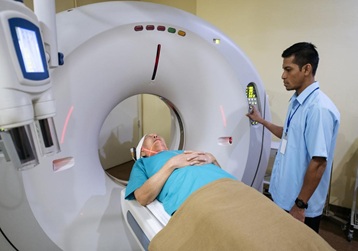
CT (Computed Tomography) scan reporting provides detailed cross-sectional images of the body, offering deeper insight than conventional X-rays. These reports are vital for diagnosing complex conditions such as internal injuries, tumors, brain disorders, strokes, and organ abnormalities.
CT scan reporting services are especially valuable in emergency and trauma cases, where quick and accurate diagnosis can be life-saving. Professional reporting ensures clarity, precision, and clinical relevance.
3. MRI Reporting Services
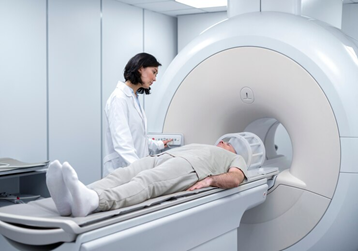
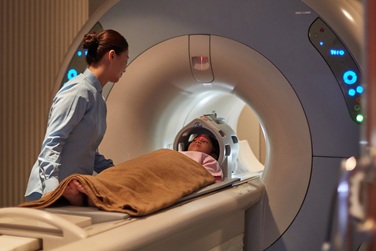
MRI (Magnetic Resonance Imaging) reporting is considered one of the most advanced forms of radiology reporting. It provides high-resolution images of soft tissues, making it ideal for brain, spine, joints, nerves, and musculoskeletal evaluations.
MRI reports are essential for diagnosing neurological disorders, spinal injuries, ligament tears, tumors, aging, and chronic conditions. Accurate MRI reporting supports long-term treatment planning and surgical decision-making.
4. Ultrasound Reporting Services
Ultrasound reporting is a safe, non-invasive diagnostic method used across various medical specialties. It is commonly used in obstetrics, abdominal imaging, cardiac evaluation, and vascular studies.
Ultrasound reports provide real-time insights into organ function and structural abnormalities. Skilled interpretation ensures reliable results without exposing patients to radiation.
Teleradiology: Expanding Access to Expert Reporting
Teleradiology has transformed the way radiology services are delivered. It allows medical images to be securely transmitted to off-site radiologists for interpretation, regardless of geographical location.
This approach benefits hospitals and diagnostic centers by providing access to specialized expertise, 24/7 reporting support, and faster turnaround times. Teleradiology is especially valuable for rural healthcare facilities and emergency services.
Benefits of Professional Radiology Reporting Services
Choosing professional radiology reporting services offers multiple advantages:
- High diagnostic accuracy
- Faster report turnaround time
- Access to experienced radiologists
- Reduced operational costs
- Improved patient care quality
- Secure digital report delivery
These benefits help healthcare providers focus more on patient treatment while maintaining diagnostic excellence.
Advantages for Hospitals and Diagnostic Centers
Healthcare institutions that outsource or integrate professional radiology reporting services experience significant operational improvements. These include:
- Reduced dependency on in-house radiologists
- Improved reporting consistency and quality
- Ability to handle higher imaging volumes
- Enhanced patient satisfaction
- Better compliance with clinical standards
Radiology reporting services allow institutions to scale efficiently without compromising accuracy.
Role of Technology in Radiology Reporting
Advanced technologies such as PACS (Picture Archiving and Communication System), RIS (Radiology Information System), and AI-assisted imaging tools have revolutionized radiology reporting.
Technology enables:
- Faster image processing
- Improved image clarity
- Structured and standardized reporting
- Secure data storage and sharing
- Reduced human error
The integration of technology ensures that radiology reporting remains precise, reliable, and future-ready.
Quality and Accuracy: The Core of Radiology Reporting
Accuracy in radiology reporting directly impacts patient outcomes. Even a small oversight can lead to delayed diagnosis or incorrect treatment. That is why professional reporting emphasizes:
- Double-checking findings
- Correlating clinical history with imaging
- Following standardized reporting protocols
- Continuous quality assurance
A strong focus on quality builds trust between healthcare providers and patients.
How to Choose the Right Radiology Reporting Service
When selecting a radiology reporting service, healthcare providers should consider:
- Qualifications and experience of radiologists
- Turnaround time for reports
- Use of modern technology
- Data security and confidentiality
- Availability of specialist consultations
A reliable service partner ensures long-term clinical and operational benefits.
Radiology Reporting and Patient Care Outcomes
Effective radiology reporting improves patient care by enabling:
- Early diagnosis of critical conditions
- Accurate treatment planning
- Reduced repeat imaging
- Shorter hospital stays
- Improved recovery rates
When radiology reporting is timely and accurate, it directly contributes to better healthcare outcomes.
The Future of Radiology Reporting Services
The future of radiology reporting lies in the combination of expert medical knowledge and advanced technology. Artificial intelligence, machine learning, and predictive analytics will further enhance diagnostic precision while supporting radiologists in complex cases.
However, the human expertise of trained radiologists will always remain central to interpreting imaging results with clinical context and judgment.
Conclusion
Radiology reporting services are the foundation of modern diagnostic healthcare. They bridge the gap between medical imaging and clinical decision-making, ensuring that patients receive accurate diagnoses and timely treatment.
For hospitals, clinics, and diagnostic centers, investing in professional radiology reporting services means improved efficiency, higher diagnostic accuracy, and better patient trust. As healthcare continues to evolve, reliable radiology reporting will remain a key driver of quality and excellence in patient care.